Cranbrook Road Removals: Narrow-Street Moving Guide
Posted on 14/05/2026
Moving on Cranbrook Road can look straightforward on a map and then, well, turn into a bit of a puzzle once a van arrives. Narrow streets, parked cars, limited turning space, awkward front steps, and neighbours who quite reasonably want their access kept clear can all change the shape of a move in minutes. This Cranbrook Road Removals: Narrow-Street Moving Guide is here to make that easier. It explains what to expect, how to plan around tight access, and how to avoid the classic mistakes that slow everything down.
Whether you are moving from a flat above a shop, a terraced house with no driveway, or a place where the loading bay seems to vanish the moment you need it, the core challenge is the same: you need a moving plan that fits the street, not just the furniture. And if you want to build your move around good packing, careful lifting, and sensible service choices, a few related guides can help too, including packing tips for house moves, how to keep a house move calm and organised, and packing supplies and boxes.
Let's face it: a narrow-street move rewards the people who prepare properly. The good news? You do not need to overcomplicate it.
Why Cranbrook Road Removals: Narrow-Street Moving Guide Matters
Narrow streets change everything. A normal house move often assumes there is room to park the van close to the entrance, carry items in a straight line, and load without blocking traffic for long. On streets like Cranbrook Road and the surrounding roads, that assumption can fall apart quickly. If the van is too large, if cars are parked tightly on both sides, or if the property is tucked behind a row of other homes, every minute of loading becomes more delicate.
This matters because moving is not just about transport. It is about access, timing, safety, and coordination. A good plan reduces the chance of damaged furniture, strained backs, neighbour complaints, and a move that drags on into the evening. On busy local roads, even a small delay can snowball. One awkward sofa, one blocked doorway, one missing parking spot - and suddenly the whole schedule wobbles.
There is also a comfort factor. A move feels less stressful when you know the route, the access points, and the likely pinch points. That bit of certainty helps, honestly. It keeps the day from feeling like a scramble.
If you are trying to reduce the load before moving day, a practical decluttering approach can make a real difference. This is where decluttering before moving earns its place. Less stuff means fewer carries, fewer breakables, and fewer awkward decisions in a tight street.
How Cranbrook Road Removals: Narrow-Street Moving Guide Works
The process is simple in principle, but it works best when each stage is treated carefully. The first task is to understand the street itself. Is there enough width for a removal van to stop safely? Is there a nearby place to load? Can the crew use a smaller shuttle vehicle if needed? Will access be different at certain times of day because of school traffic, commuters, or local delivery patterns?
Next comes the property assessment. This includes door widths, staircases, ceiling height, sharp turns, tight hallways, and any furniture that might need partial dismantling. In narrow homes, the route out of the property matters almost as much as the route on the road. A dining table may be easy to lift, but impossible to angle through a landing without planning. A mattress might be fine, but a divan base can be a different story.
After that, good movers usually break the job into smaller phases: protect the access route, move the bulky items first, stack the van efficiently, and keep a clear flow between property and vehicle. For especially heavy items, safe lifting technique is non-negotiable. You can read more about the basics in this guide to lifting and movement technique, and if you are ever tempted to do a solo carry, these heavy-lifting tips are worth a look before you try to be a hero.
Finally, a narrow-street move depends on communication. The driver, the movers, and you need to know who is handling what, where items are going, and which pieces need extra care. Sounds basic. It is basic. And that is exactly why it matters.
Key Benefits and Practical Advantages
A narrow-street moving plan is not just a workaround; it can actually make the move better overall. Done properly, it gives you more control and fewer surprises. Here are the main advantages.
- Less wasted time: When parking and access are planned, crews spend more time moving your belongings and less time repositioning the van.
- Lower damage risk: Shorter carry distances, clearer routes, and better packing reduce bumps and scrapes.
- Safer lifting: Fewer awkward manoeuvres means less strain on people handling boxes, sofas, and white goods.
- Better neighbour relations: A tidy, efficient loading plan helps avoid unnecessary disruption on a busy residential road.
- Cleaner scheduling: You are less likely to run behind if you have already thought through the tricky bits.
There is also a practical packing benefit. When access is tight, every box should earn its place. Oversized or poorly labelled boxes cause delays because movers have to keep stopping to ask what belongs where. The more organised your packing is, the smoother the whole day feels. If you want a deeper refresher, perfect packing when moving house is a useful companion guide.
Expert summary: On narrow streets, the move is won before the van arrives. Good access planning, lighter packing, and the right vehicle matter more than speed alone.
Who This Is For and When It Makes Sense
This guide is useful for anyone moving in or around Cranbrook Road where street width, parking availability, or building access can make the process tricky. That includes flat moves, small house moves, student relocations, and even office or mixed-use premises where loading has to be timed carefully.
It is especially relevant if:
- your property does not have private driveway access;
- the road is often busy or tightly parked;
- you are moving large furniture through narrow hallways or staircases;
- you need a same-day or fast turnaround;
- you have fragile, heavy, or awkward items to move;
- you want to reduce disruption for neighbours or nearby businesses.
Students, for example, often move with mixed loads: a few boxes, a desk, a mattress, kitchen bits, and maybe a small sofa if they have been collecting furniture over the year. A flexible vehicle and good loading discipline helps a lot here, which is why student removals in Gants Hill can be a sensible option for compact moves.
Flat moves are another common fit. Stairs, tight landings, and limited parking can make a small move feel bigger than it is. If that sounds familiar, flat removals support is designed for exactly that sort of layout challenge. Truth be told, a "small move" on paper can be the most fiddly one on the day.
Step-by-Step Guidance
Here is a practical way to approach the move so you are not improvising under pressure.
1. Survey the road before you book
Walk the street at roughly the time your move will happen. Look at parking, turning space, busier junctions, and any places where a van would have to stop awkwardly. If you can, note whether your side of the road is easier than the opposite side. A two-minute look can save twenty minutes later.
2. Measure the awkward items
Measure sofas, wardrobes, bed bases, mattresses, and anything tall or wide. Then compare those measurements against doorways, stair turns, and hallway width. If something is likely to snag, plan for dismantling or alternate carry routes.
3. Pack with access in mind
Put heavy items into smaller boxes rather than one overfilled box that nobody enjoys carrying. Label everything clearly by room and priority. Keep tools, chargers, documents, kettle supplies, and a small cleaning kit in an easy-access bag. That little bag matters more than people think.
If you are moving a bed or mattress, a dedicated guide like how to move a bed and mattress safely can help you avoid the classic drag-and-flip approach that causes problems on stairs.
4. Reserve the best loading position you can
Where local parking rules allow, try to secure the closest practical spot to the property. Even a few extra metres on a narrow street can matter. If the van has to park farther away, make sure the carry route is clear and dry. A wet pavement, a loose curb, or a wheelie bin in the way can trip up even a tidy plan.
5. Protect the route out of the property
Use floor protection, blankets, and corner guards where needed. Door frames, banisters, and tight wall corners take the brunt of narrow-street moves because there is less room to adjust a load. It is a small thing, but very worth doing.
6. Load in the right order
Heavy and sturdy items should usually go in first, with fragile boxes and soft furnishings fitted around them. Keep a clear mental map of what is near the back doors so unloading at the new place is simpler. If you are moving bulky seating, sofa storage and handling tips can help you think through protection and positioning properly.
7. Do a final sweep
Check cupboards, loft spaces, behind doors, under beds, and utility areas. It sounds obvious until the last five minutes. Then everyone gets that slightly frantic look. You know the one.
Expert Tips for Better Results
Small choices often make the biggest difference on a narrow street. Here are the things that tend to separate a smooth move from a stressful one.
- Use smaller boxes for books and kitchen items. Heavy boxes become awkward fast on stairs and tight pavements.
- Disassemble what you can. Table legs, bed frames, and some wardrobes are easier to carry in parts.
- Keep a buffer in your timings. If the street is tight, build in extra time for parking and access adjustments.
- Assign one person to decisions. Too many voices shouting directions in a narrow hallway is never helpful, not even a little.
- Use colour coding for rooms. It is a quick way to speed up placement at the destination.
- Protect sensitive items separately. TVs, mirrors, glass shelves, and framed art should not just be "wrapped somehow."
If you have a piano, or even something piano-adjacent in awkward size and weight, the margin for error is tiny. A specialist service is usually the smarter option. For a closer look at why that matters, see the risks of DIY piano moving and the dedicated piano removals service.
One more thing: if the weather is poor, slow down. Rain changes grip, visibility, and footing. A slightly slower move is still a good move if it stays safe.
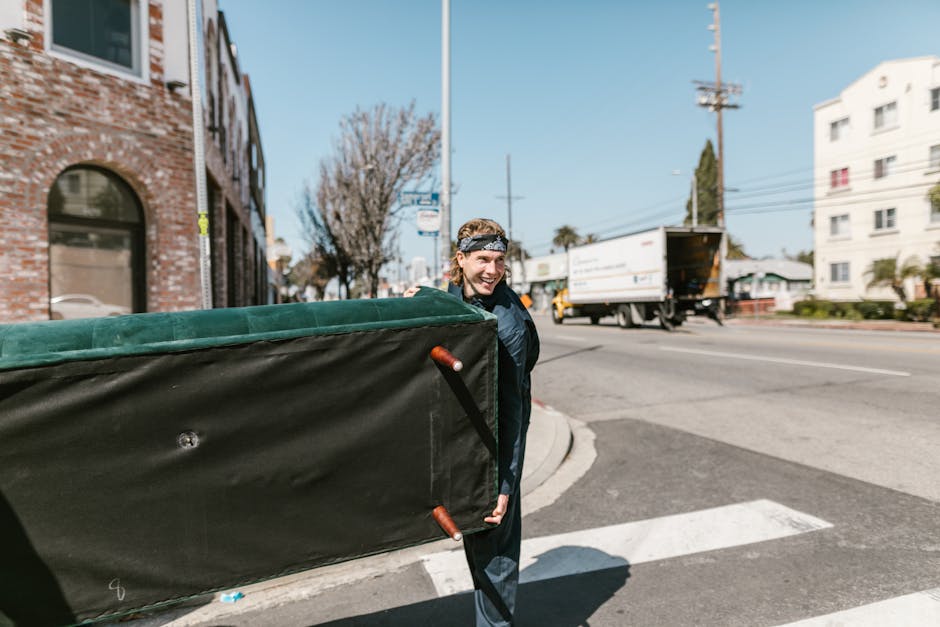
Common Mistakes to Avoid
Narrow-street removals tend to fail for predictable reasons. The good news is that most of them are avoidable.
- Booking a van that is too large: Bigger is not always better if the road is tight and turning space is limited.
- Ignoring local parking realities: What looks fine on a map may be impossible at street level.
- Overpacking boxes: Heavy boxes split, wobble, and make stair carries much harder.
- Leaving dismantling until the last minute: That is how good plans become rushed ones.
- Failing to clear the corridor: Shoes, rugs, bins, and random clutter all add friction.
- Underestimating loading time: A narrow access move almost always takes longer than a lift-and-go job with a driveway.
Another common issue is treating every item as if it has the same handling needs. It does not. A freezer needs different care from a lamp. A mattress behaves differently from a filing cabinet. If you are moving appliances, the storage and handling principles in freezer storage and transport tips can be surprisingly useful for planning and protection.
And if you want your old place cleaned before handover, or you are trying to leave it in good shape, cleaning the house before moving out is worth doing properly rather than at the very end with half a sponge and rising panic.
Tools, Resources and Recommendations
You do not need a warehouse of specialist gear, but a few practical tools make narrow-street removals much easier.
| Tool or Resource | Why It Helps | Best Used For |
|---|---|---|
| Furniture blankets | Protects wood, paint, and corners during tight carries | Sofas, tables, wardrobes, headboards |
| Ratchet straps | Keeps loads stable in the van | Heavy furniture, stacked boxes, appliances |
| Trolley or sack truck | Reduces carrying strain over short flat sections | Boxes, appliances, sealed containers |
| Door and floor protectors | Prevents scuffs in tight hallways | Stairs, corners, entryways |
| Strong tape and labels | Speeds up sorting and unloading | Box organisation, room-by-room moves |
| Smaller removal van or shuttle setup | Better for narrow roads and limited parking | Central loading, short carry distances |
It is also worth thinking about support services. If you need a broader moving plan, services overview is a sensible place to compare options. For general local removals, you might also look at removals in Gants Hill, house removals, or man with a van support if your move is smaller and more flexible.
If storage is part of the picture, maybe because your new place is not ready yet, storage in Gants Hill can be useful as a bridge between properties.
Law, Compliance, Standards, or Best Practice
For a local removal on a narrow road, compliance is mostly about sensible planning, safe working, and respecting public space. If a vehicle is loading on a public road, there may be parking restrictions, loading limits, or local access considerations to account for. These can vary, so checking the street in advance is wise rather than guessing. A moving company should also work within its own safety procedures, which typically include manual handling precautions, load securing, and appropriate vehicle use.
Best practice usually includes:
- planning safe access before moving day;
- avoiding blocked pavements or dangerous stopping positions;
- using suitable equipment for heavy items;
- securing loads properly inside the vehicle;
- protecting the property and common areas from damage;
- communicating clearly if access changes during the move.
If you are comparing providers, it is sensible to check how they handle insurance, safety, and customer information. Those details should be transparent. The pages on insurance and safety, health and safety policy, and payment and security help give a fuller picture of what a professional setup should cover. That kind of clarity matters, even if it is not the exciting part of moving.
A small but useful point: if you are arranging access on a busy road, be honest about the street conditions. Overpromising on parking or underestimating the carry distance is how moves drift off course.
Options, Methods, or Comparison Table
Different moving methods suit different versions of Cranbrook Road removals. The right choice depends on volume, access, and how much time you have available.
| Method | Best For | Pros | Watch Outs |
|---|---|---|---|
| Full-size removal van | Larger house moves with predictable access | Efficient for bigger loads, fewer trips | May be awkward on tight streets or with limited parking |
| Smaller van or man and van | Flat moves, student moves, light-to-medium loads | More flexible on narrow roads, easier to park | May require more careful load planning if volume is underestimated |
| Shuttle approach | Very tight access or roads with restricted stopping | Flexible, reduces access pressure | Can add extra handling and time |
| Specialist item move | Pianos, heavy furniture, delicate or unusual items | Better protection and safer handling | Usually requires more planning and coordination |
For some moves, the simple answer is to choose a flexible local service and keep the job lean. For others, the correct answer is a more complete package with packing, dismantling, or storage. If you are unsure, speaking to experienced local movers is usually better than guessing and hoping for the best. That hope-based system rarely ages well.
If you are planning a route or timing around the wider area, the local guide on best routes on Ilford High Road can also help with route thinking nearby.
Case Study or Real-World Example
Here is a realistic example. A couple moving from a first-floor flat off Cranbrook Road had a sofa, a bed frame, a washing machine, six medium boxes, and a few fragile kitchen items. The street was narrow, parked up on both sides, and the property sat a short walk from the best stopping point. Nothing dramatic, but enough to make a quick move feel messy if nobody had planned ahead.
Instead of using one giant box for books and kitchenware, they split the load into smaller boxes. They dismantled the bed frame the night before. They kept a "first-night" bag separate with chargers, toiletries, kettle items, and spare keys. The washing machine was ready to go, and the sofa was wrapped in blankets before loading. Because the van could not stop directly outside, the movers used a short carry route from the nearest practical position and kept the pathway clear.
The move still took effort, of course. Narrow-street moves always do. But because access had been thought through early, the day stayed orderly. No panicked reshuffling, no blocked hallway, no awkward last-minute decisions at the kerb. Just a controlled, slightly sweaty, fairly normal moving day. Which, honestly, is a win.
In situations like this, choosing a local team with the right vehicle, equipment, and planning mindset makes all the difference. It is not glamorous, but it works.
Practical Checklist
Use this checklist to keep the move grounded and realistic.
- Confirm the moving date and time window.
- Check street access, parking, and stopping options.
- Measure large furniture and compare with doorways and stair turns.
- Decide what needs dismantling in advance.
- Gather boxes, tape, blankets, labels, and protective wrap.
- Pack heavier items into smaller boxes.
- Create a separate essentials bag for the first 24 hours.
- Label boxes clearly by room and priority.
- Protect floors, frames, and corners in tight areas.
- Plan the loading order before the van arrives.
- Keep neighbours informed if access may be briefly affected.
- Walk through the property at the end for one final check.
Quick reminder: the best narrow-street moves are usually the ones where nothing looks dramatic on the day. Quiet, tidy, efficient. That is the aim.
Conclusion
A good Cranbrook Road move is rarely about brute force. It is about making a narrow street work for you instead of against you. When you understand the access, choose the right vehicle, pack with care, and protect the route through the property, the whole move becomes far more manageable. Not effortless, perhaps - moving never quite is - but manageable, and that is the bit that counts.
If you are comparing options, planning a local move, or deciding whether you need extra help with packing, storage, or specialist items, take the time to match the service to the street. That one decision can save a surprising amount of time and stress. And if you want a little more breathing room on the day, it is absolutely worth asking for support early rather than late.
Get a free quote today and see how much you can save.
And if the day still feels a bit much, that is normal. A good move is built one sensible step at a time.