Dispose Furniture Legally in IG2: Redbridge Rules Explained
Posted on 06/07/2026
If you need to dispose furniture legally in IG2, the process is usually simpler than people expect - but only if you follow the right route. Left on the pavement, dumped in a back lane, or handed to an unlicensed collector, furniture can quickly become a problem for you, not the person who took it away. In Redbridge, that matters. This guide explains the local rules in plain English, what to do with bulky items, how to avoid fines, and how to choose a lawful option that actually fits real life. No jargon. Just practical advice you can use today.
Why Dispose Furniture Legally in IG2: Redbridge Rules Explained Matters
Furniture disposal sounds straightforward until you're standing in a hallway with a sagging sofa, a broken wardrobe, and a lift that is, frankly, not having a good day. Then the practical and legal sides start to matter fast.
In IG2, the main issue is responsibility. If you leave furniture somewhere it should not be, it may be treated as fly-tipping or illegal dumping. That can lead to enforcement action, clean-up costs, and a lot of hassle that could have been avoided with a better plan. Even if someone offers to "take it off your hands," you still need to be careful. If the waste is handed to an unlicensed collector and later dumped, the original owner can end up in the frame. Annoying, yes. Rare? Not really.
There's also a wider community impact. Bulky furniture left beside bins, on footpaths, or near communal entrances creates access problems, attracts extra waste, and makes streets look neglected. In busy parts of IG2, that can become a practical nuisance very quickly, especially around shared housing, flats, and tighter residential roads.
Legal disposal matters for another reason too: reuse and recycling. A solid wooden table, a decent chest of drawers, or a usable sofa may still have value. A lawful disposal approach gives you a chance to separate what can be reused, what can be recycled, and what genuinely needs collection. That's better for the environment, but it also helps keep costs down.
To be fair, most people are not trying to break any rules. They just want the item gone before a move, a refurbishment, or a tenancy handover. That's exactly why clear guidance helps. If you are also juggling packing, cleaning, or a last-minute move, you might find decluttering and simplifying before a move useful, because furniture disposal is often part of the same bigger job.
How Dispose Furniture Legally in IG2: Redbridge Rules Explained Works
At a practical level, legal furniture disposal in IG2 usually falls into one of a few routes: reuse, donation, collection, or licensed waste removal. The right route depends on the item's condition, size, access, and urgency.
If the furniture is clean and usable, donation or resale may be the best first step. If it is damaged but still contains recyclable materials, a responsible disposal route may separate timber, metal, textiles, and foam where possible. If the item is too bulky, too heavy, or too awkward for a standard household collection, you may need a bulky waste service or a licensed man and van style removal arranged properly.
What people often miss is that disposal is not just about "getting rid of it." You need to think about where the item is going, who is moving it, and whether the destination is lawful. A trustworthy disposal route should be traceable in plain terms: you know who is collecting, what is being taken, and how it will be handled. If any of that feels vague, step back.
In the local context, Redbridge residents commonly deal with furniture removal in flats, terraced homes, and side-access properties where lifting and route planning matter just as much as the legal side. A narrow staircase, a shared entrance, or parking restrictions can all affect how the job should be done. For example, when access is tight, the moving approach may need careful planning similar to the advice in apartment moves on narrow stairs.
There is no one-size-fits-all method. But there is a simple principle: if you can't explain where the furniture is going and why that route is lawful, you probably need a better plan.
Key Benefits and Practical Advantages
Doing this properly brings more value than people expect. Yes, it keeps you on the right side of the rules. But it also saves time, reduces stress, and avoids the awkward "who's responsible for this?" moment when furniture is left in the wrong place.
- Lower legal risk: You reduce the chance of fines, complaints, or enforcement action.
- Less physical strain: Heavy items are handled safely rather than dragged downstairs by tired hands and bad luck.
- Cleaner handover: Tenants and landlords avoid last-minute disputes over leftover furniture.
- Better recycling outcomes: Reusable parts and recyclable materials are more likely to be separated properly.
- Faster property clearance: Useful if you are moving, renovating, or preparing a sale.
There's another benefit people notice only after the fact: mental relief. Furniture clutter has a way of hanging around in your head. Once it's gone, rooms feel bigger, quieter, easier to manage. A bit like a reset button, really.
If you're trying to clear multiple rooms at once, combining disposal with packing can be efficient. Our guide to perfect packing when moving house is a good companion read because sorting what stays, what goes, and what gets stored can save a surprising amount of time.
Who This Is For and When It Makes Sense
This guide is for anyone in IG2 who needs furniture removed without causing legal or logistical headaches. That includes tenants at the end of a lease, landlords clearing a property, homeowners replacing old pieces, students moving between accommodations, and local businesses refreshing office furniture.
It also makes sense if you have:
- a sofa that won't fit back through the door in one piece
- a wardrobe or bed frame that needs dismantling
- furniture that is too damaged for resale
- a tight deadline before checkout or completion day
- shared building rules about waste storage or access
Some people can manage small items themselves. Others should not even try. Truth be told, a heavy sofa and a cramped hallway are a bad combination on a tired Friday evening. If you've ever had to shuffle a bulky item around a corner while someone says "it should just fit," you'll know the feeling.
For single-item jobs, especially awkward or heavy ones, it can help to read tips for solo heavy lifting before deciding whether to DIY or bring in help. And if the item is particularly awkward, like a piano, that is a different conversation entirely; see the pitfalls of DIY piano moving for why some jobs should be left to specialists.
Step-by-Step Guidance
If you want a clean, legal, low-stress process, follow this sequence.
- Identify each item. Write down what you're disposing of: sofa, bed base, mattress, table, wardrobe, shelving, office chair, or mixed items.
- Check condition. Decide whether the item can be reused, repaired, donated, or whether it is truly at end of life.
- Measure access. Note stairs, doors, lift size, parking distance, and whether the item needs dismantling.
- Choose the right route. Donation for good-condition furniture, licensed collection for bulky waste, or a professional removal service for heavy/awkward items.
- Separate materials. Remove loose cushions, drawers, glass shelves, and any detachable parts if appropriate.
- Book or arrange collection. Make sure the collector is suitable for the item and the location. If timing is tight, same-day support may be worth considering.
- Prepare the property. Clear hallways, protect walls, and keep children and pets out of the route. Small thing, big difference.
- Keep a record. Save the booking details, collection confirmation, or any written evidence of lawful disposal.
If the furniture is part of a bigger move, the process becomes smoother when it sits inside the wider moving plan. A calm sequence helps, and if you need extra structure, crafting a calm and effortless house move is a useful mindset as much as a practical approach.
One small but important note: don't leave items outside "for later" unless there is a clearly arranged lawful collection. In shared buildings, that little gap between intention and reality is where problems start.
Expert Tips for Better Results
These are the tips that make a disposal job go from messy to manageable.
- Strip the item down first. A wardrobe becomes less intimidating once doors, shelves, and fixings are removed.
- Plan the exit route backwards. Start with the hallway, then the stairs, then the door. Not the other way round.
- Keep screws and fittings in labelled bags. If part of the item is being reused or recycled, this avoids chaos later.
- Protect soft furnishings from rain and dirt. A wet sofa is a worse problem than a heavy one.
- Photograph the item before collection. Handy for your own records, especially in rental or shared-property situations.
- Ask how the item will be handled. Reuse, recycling, disposal - clarity matters.
For bigger pieces like sofas, careful handling matters because they can snag on corners, scratch walls, and tear fabrics. If you want a little more background on storing or moving upholstered items, sofa storage techniques is useful reading even if you are not storing for long. It helps you think about condition and protection, which is half the battle.
If the item needs to be moved through tight spaces, good lifting technique matters too. The article on kinetic lifting covers body mechanics in a way that is genuinely practical, not gym-bro nonsense.
Expert summary: The safest furniture disposal jobs in IG2 are the ones that are planned, separated, and handed to a lawful route before anyone starts lifting. A little preparation prevents the kind of scramble that ends with scratched skirting boards and a sore back.
Common Mistakes to Avoid
Most disposal problems are caused by one of a handful of repeat mistakes. The good news? They're avoidable.
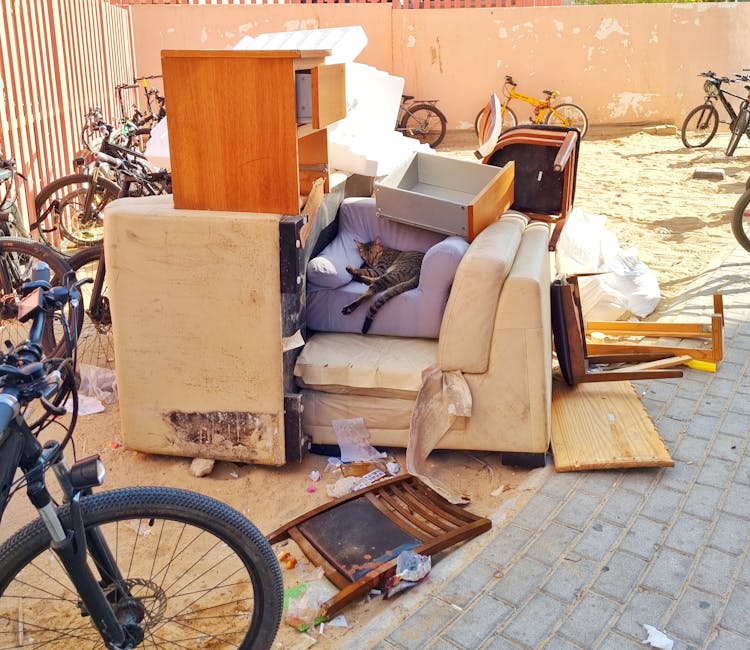
- Leaving furniture on the street: Even if it looks like "everyone else does it," that's not a lawful plan.
- Using an unlicensed collector: Cheap upfront can become expensive later if the waste is dumped illegally.
- Ignoring building rules: Flats and managed properties often have their own restrictions on where items can be placed.
- Forgetting access details: A collection delayed because the van can't park close enough is a very common headache.
- Assuming all furniture is waste: Some items still have reuse value. Don't throw away value if you can help it.
- Trying to move oversized items alone: It sounds efficient until you reach the stairs. Then it's just awkward.
Another mistake is assuming that "legal" only matters for the collection day. It matters from the moment you decide what will happen to the furniture. That includes who removes it, where it goes, and whether the route is traceable and sensible.
And yes, one more thing: don't underestimate the time a bulky item takes. A three-minute plan can save a three-hour mess.
Tools, Resources and Recommendations
You do not need specialist equipment for every job, but a few practical tools make furniture disposal much easier.
- Work gloves: For grip, splinters, and general hand protection.
- Measuring tape: Essential for doors, stair turns, lifts, and vehicle space.
- Blankets or covers: Useful for protecting furniture and walls.
- Zip bags or containers: Keep screws, bolts, and fittings together.
- Basic screwdriver set: Helps with dismantling where appropriate.
- Straps or trolleys: Helpful for larger, heavier items if used correctly.
On the planning side, a written checklist is one of the best tools you can use. Not glamorous, but effective. If you are moving and disposing of several items at once, combine that with the guidance in declutter and simplify before moving so you can separate keep, donate, store, and remove categories early.
If cost is part of your decision, it can also help to compare how removal jobs are priced and what is included. The page on pricing and quotes supports sensible budgeting, while recycling and sustainability is a useful reminder that the cheapest option is not always the best one if it creates waste elsewhere.
Law, Compliance, Standards, or Best Practice
Furniture disposal in England is shaped by waste duty of care principles and local waste handling expectations. In plain English, that means you should take reasonable steps to make sure your furniture is transferred to someone who is authorised to handle it and that it is disposed of responsibly.
For everyday residents in IG2, the practical compliance points are usually these:
- Do not abandon furniture on pavements, verges, alleyways, or communal land.
- Do not assume a random collector is legitimate without checking basic details.
- Do not place bulky furniture where it blocks access, escape routes, or shared entrances.
- Do keep any proof of lawful collection or disposal where possible.
- Do separate reusable items from broken waste when you can.
Best practice is about being able to explain your decision if anyone asks. If an item is being removed by a professional, the arrangement should be clear. If it is being donated, the condition should make sense. If it is being recycled, the route should be suitable for the material type. Simple, but not always simple in a real flat on a rainy morning.
For property moves, local parking and access can matter just as much as the disposal itself. If a van has to wait too long or park too far away, the job becomes harder and riskier. That's why local route and access planning, such as the advice in IG2 removals route planning, can be unexpectedly helpful when furniture clearance is tied to a move.
If your disposal is happening around a street move or busy day, it is also worth reviewing street move permit guidance so the vehicle side of the operation does not create avoidable problems. The logistics often overlap more than people realise.
Options, Methods, or Comparison Table
Choosing the right disposal method depends on condition, urgency, and how much handling is involved. Here's a straightforward comparison.
| Method | Best for | Pros | Watch-outs |
|---|---|---|---|
| Reuse or donation | Clean, usable furniture | Low waste, good value, often quickest if accepted | May require transport, condition checks, and timing coordination |
| Resale | Furniture with market value | Can recover some cost | Takes time, photos, messages, and collection arrangements |
| Bulky waste collection | Large household items needing lawful disposal | Simple, structured, suitable for end-of-life items | May need booking and item limits depending on service |
| Licensed removal service | Heavy, awkward, mixed, or time-sensitive jobs | Less lifting, faster clearance, better for access issues | Cost depends on load size, access, and timing |
If the furniture is especially heavy or the access is awkward, a licensed removal approach often makes the most sense. That can be especially true for flats or shared buildings. For example, a removal team familiar with furniture removals in Gants Hill will already be thinking about stair turns, loading points, and safe handling, which is exactly what you want when the job needs to be done properly.
For urgent situations, same-day collection may be appropriate, but only if the provider can still handle the item lawfully and safely. Fast is good. Fast and messy is not.
Case Study or Real-World Example
Here's a realistic example from the kind of job people in IG2 face all the time.
A tenant in a first-floor flat needs to leave by the end of the day. There is an old sofa, a small wardrobe, and a bed base. The sofa is too worn to donate, but the wardrobe is still solid and the bed base can be dismantled. The stairwell is narrow, and there is limited space outside for loading.
Instead of leaving the items beside the communal bins, the tenant sorts them into three groups. The wardrobe is checked for reuse value. The bed base is dismantled. The sofa is scheduled for lawful disposal through a proper collection route. The hallway is cleared, protective covers are used, and the collection time is arranged to reduce waiting outside the property.
The result? No complaints from neighbours, no awkward chase for a missing sofa, and no worry about whether the waste ended up somewhere illegal. More importantly, the tenant leaves with a clean handover. That part matters more than people think.
If the household is also trying to move in the same week, the disposal plan can be folded into the broader move. A guide like cleaning your house before moving out can help because clear-out, cleaning, and furniture removal often happen together in the real world. Messy homes don't move themselves. Sadly.
Practical Checklist
Use this checklist before you arrange disposal.
- Identify every furniture item you want removed.
- Check whether any piece can be donated, sold, or reused.
- Measure the item and the access route.
- Note stairs, lifts, parking, and doorway width.
- Remove drawers, cushions, loose parts, or fittings where appropriate.
- Choose a lawful disposal route.
- Confirm timing and loading arrangements.
- Keep the route clear on the day.
- Protect walls, flooring, and shared areas.
- Save proof of collection or disposal.
Quick takeaway: if you can answer "what is it, where is it going, and who is taking it?" you are already in a much better place.
Conclusion
To dispose furniture legally in IG2, you do not need to overcomplicate things, but you do need to be deliberate. Check the item, choose the right route, avoid leaving anything in the wrong place, and keep a record where possible. That approach protects you from avoidable problems and makes the whole process feel far less stressful.
In a busy area like IG2, where access, parking, and shared spaces can all complicate a simple job, the difference between a smooth disposal and a headache often comes down to planning. A little preparation saves a lot of faff. And honestly, that is the part people appreciate most once the job is done.
Get a free quote today and see how much you can save.
When you clear the clutter properly, the room feels lighter, the day feels calmer, and the next step becomes easier to take.