Redbridge Council Permits for Gants Hill Street Moves
Posted on 26/06/2026

Redbridge Council Permits for Gants Hill Street Moves: A Practical Guide for a Smoother Move
Moving house in Gants Hill sounds straightforward right up until the van arrives and the kerbside space has vanished. That is where Redbridge Council Permits for Gants Hill Street Moves become part of the real moving plan, not just an admin extra. If you are trying to work out whether you need permission, how parking restrictions affect loading, or what to do when a narrow street leaves no easy room for a removal van, this guide will walk you through it in plain English.
Truth be told, most move-day stress comes from access problems rather than the lifting itself. A permit, the right timing, and a little local know-how can save a lot of wasted circling, awkward carrying, and that familiar end-of-day feeling where everyone is tired and mildly cross. Let's sort it properly.
In this article, you will learn how moving permits typically work, why they matter in Gants Hill, who they are most useful for, and how to avoid common mistakes. You will also find practical checklists, comparison points, and local moving tips that fit the realities of Redbridge streets.
- Why Redbridge Council Permits for Gants Hill Street Moves Matters
- How Redbridge Council Permits for Gants Hill Street Moves Works
- Key Benefits and Practical Advantages
- Who This Is For and When It Makes Sense
- Step-by-Step Guidance
- Expert Tips for Better Results
- Common Mistakes to Avoid
- Tools, Resources and Recommendations
- Law, Compliance, Standards, or Best Practice
- Options, Methods, or Comparison Table
- Case Study or Real-World Example
- Practical Checklist
- Conclusion
- Frequently Asked Questions
Why Redbridge Council Permits for Gants Hill Street Moves Matters
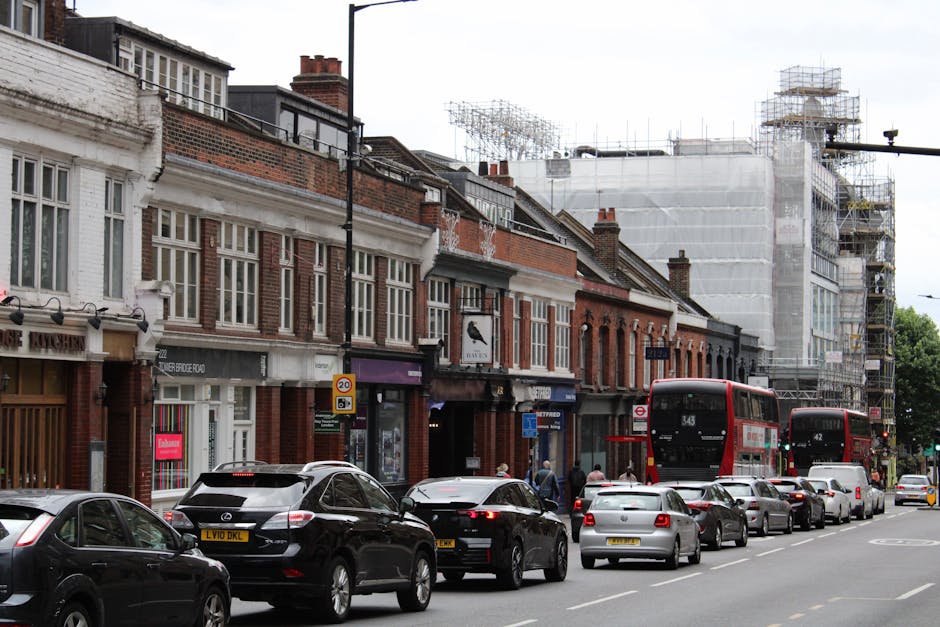
Gants Hill has the kind of streets where parking can shift from "fine" to "nowhere near practical" very quickly. A removal van is not a small car you can tuck into a gap and forget about. It needs a workable loading point, enough space for doors and tail-lifts if used, and a safe route for carrying boxes without blocking traffic or getting in everyone's way.
That is why permits matter. They are not just about form-filling. They are about making the move legal, safer, and more efficient. If your van stops in the wrong place or overstays in a restricted bay, you may face delays, fines, or a move that feels twice as hard as it needed to be.
There is also a practical side people sometimes overlook. Even a short walk from a distant parking space can turn a smooth move into a long slog, especially if you are handling furniture, white goods, or awkward items. If you have ever watched a sofa edge down a hallway and thought, "please don't let us have to carry this another 80 metres," you know exactly what I mean.
Local streets around Gants Hill can be busy at school-run times, commuter periods, and weekends when the area simply hums. Planning access properly helps you protect your time, your belongings, and your nerves. It also gives you a more realistic view of the move day itself, which is always worth having.
For people trying to coordinate a broader move, permit planning sits nicely alongside preparation tasks like packing smarter for moving day and setting up a calmer, more organised house move. The access plan is only one part of the puzzle, but it is a big one.
How Redbridge Council Permits for Gants Hill Street Moves Works
In simple terms, a moving permit or parking arrangement is there to let a removal vehicle stop in a way that would otherwise be restricted, or to help confirm how a vehicle should use a particular loading space. The exact process can vary depending on the street, the bay type, the duration, and whether any suspensions or permissions are needed for the move itself.
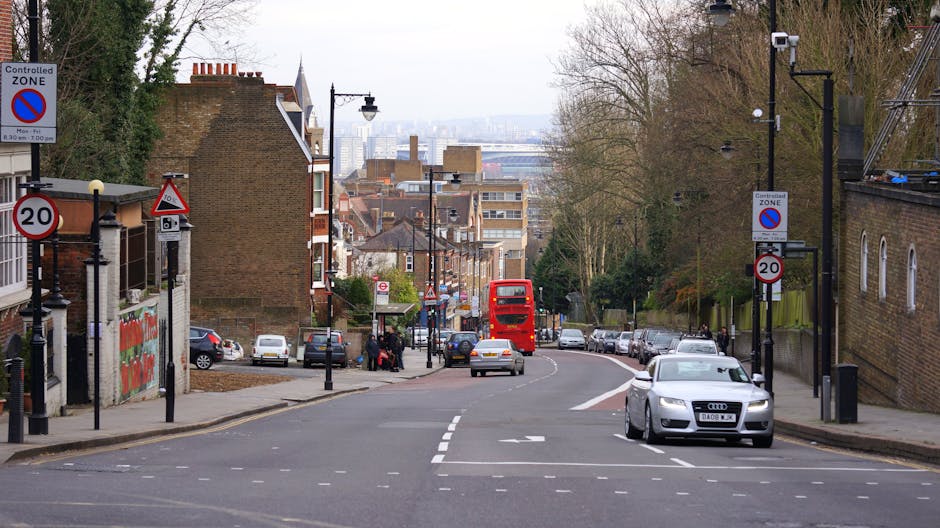
Here is the part that matters most: do not assume every road works the same way. In some streets, short loading may be possible without a formal permit. In others, the restrictions are tighter and you will need a proper arrangement in place before moving day. That is where careful checking saves the day.
Most people reach the permit question when they are already juggling boxes, cleaners, and new-key handovers. To be fair, that is a stressful moment to be figuring out parking. Better to think about it early. If you are moving from a flat or an upstairs property, access planning becomes even more important, especially if you are using a flat removal service in Gants Hill or dealing with a building that has limited frontage space.
Typically, the practical flow looks like this:
- Check the street restrictions around both the old and new address.
- Work out whether the van needs a loading bay, suspension, or time-limited parking arrangement.
- Confirm vehicle size and access needs early, not on the morning of the move.
- Allow for realistic loading time, especially if you have heavy or fragile items.
- Keep evidence of the arrangement handy in case parking enforcement needs to see it.
If the move also involves tight stairwells or awkward carrying distances, your permit planning should sit alongside lifting and handling prep. A good moving day is never just about parking. It is about the whole chain of tasks working together. If one link fails, you feel it fast.
Key Benefits and Practical Advantages
A permit or prior parking arrangement does more than avoid problems. It gives the move structure. And structure is a blessing on a day when the kettle is packed, someone has misplaced the tape, and the lift has decided to take a personal day.
Here are the main benefits:
- Less wasted time: the van is positioned where it needs to be, instead of hunting for a gap.
- Safer lifting: shorter carry distances reduce fatigue and the risk of slips or dropped items.
- Better coordination: movers can load in a more organised sequence.
- Lower stress: you are not improvising parking under pressure.
- Fewer disputes: clear arrangements reduce the chance of misunderstandings with neighbours or enforcement.
There is also a subtle benefit that only becomes obvious in real life: good access planning helps the move feel professional. The van arrives, the route is clear, the team knows where to stop, and everyone gets into rhythm. You can hear it in the way people move boxes more confidently. Sounds simple, but it makes a difference.
If you are comparing different moving options, this kind of planning sits well with choosing the right type of help, from man and van support in Gants Hill to a fuller house removals service. The right setup depends on how much you are moving and how tricky the street access is.
Who This Is For and When It Makes Sense
Not every move needs the same level of parking planning. A ground-floor move with easy private drive access is a very different animal from a third-floor flat on a narrow residential street. The permit question becomes more relevant when the public highway is doing a lot of the work.
You are most likely to need to think carefully about Redbridge Council Permits for Gants Hill Street Moves if you are:
- moving from or into a flat with limited street access
- using a removal van that needs to stop close to the entrance
- moving on a busy road where waiting or loading spaces are limited
- handling heavy furniture, appliances, or specialist items
- working to a narrow time window on completion day
- coordinating a same-day or late-notice move
Students moving into shared accommodation often fall into this category too. So do people downsizing, moving locally, or relocating from older terraces and apartment blocks where the kerbside layout is not exactly generous. If you are a student planning a compact move, it can help to consider student removals in Gants Hill alongside your parking plan.
A quick rule of thumb: the less forgiving the street, the earlier the permit question should be raised. If you wait until moving week, you are already playing catch-up. Not fatal, but not ideal either.
Step-by-Step Guidance
If you want a cleaner process, use this sequence. It is not glamorous, but it works.
- Map both addresses. Check the exact loading points at the departure and destination addresses. Do not rely on general area assumptions.
- Note the restrictions. Look for controlled parking bays, yellow lines, loading only spaces, and any time-based limitations.
- Measure the access route. Think about van length, turning room, distance to the door, and whether a tail-lift or trolley will actually fit.
- Choose your moving window carefully. Mid-morning or early afternoon can be easier than peak commuter periods, though every street is different.
- Confirm what the vehicle needs. A small van, a larger removal van, or a same-day crew can all create different parking requirements.
- Allow extra time. Things always take longer than the neat spreadsheet version suggests. Always.
- Prepare proof and instructions. Keep details of the booking, bay location, and access notes in one place.
- Brief everyone involved. If more than one person is helping, make sure they know where to park, where to carry from, and who is handling key instructions.
A helpful way to think about it is this: permits are the framework, but the move still needs a human plan. Without one, even the most careful permit arrangement can become a bit pointless.
If you are also packing heavy or awkward items, the logistics become more sensitive. Useful prep reads include safer lifting techniques and why DIY piano moving causes headaches if you are dealing with speciality items.
Expert Tips for Better Results
After enough move days, a few patterns become obvious. The people who have the easiest moves are not always the ones with the biggest vans or the strongest arms. They are the ones who plan the details that others ignore.
- Recheck the street the day before: temporary roadworks, skips, and neighbour parking can change the setup quickly.
- Keep loading items grouped by room: this saves time if the van has to stop a little further away than expected.
- Use clear labels: if boxes are grouped by priority, the team can unload in a sensible order.
- Leave a buffer for weather: wet pavements, drizzle, or a cold morning can slow everything down more than people expect.
- Think about the building as well as the street: lifts, corridors, and stairwells matter too.
One tiny but useful tip: keep the first-load items near the exit. It sounds obvious, yet in the rush of the morning people tend to make the hallway a temporary storage zone. Then someone has to move everything twice. Nobody enjoys that bit.
For bulky sofas, beds, and furniture, it often pays to combine access planning with proper item preparation. A couple of useful guides are storing a sofa properly and moving a bed and mattress with less hassle. These are the sort of small decisions that make the whole day feel calmer.
If you are moving from a narrow apartment building, it is also worth looking at solutions for apartment moves on narrow stairs. Sometimes the street is only half the issue. The stairwell can be the real boss fight.
Common Mistakes to Avoid
The most expensive mistakes are often the simplest. Here are the ones that come up again and again.
- Leaving parking planning too late. This is the classic. Everything else is packed, but the access plan is still a "we'll sort it on the day" situation.
- Assuming a short stop is fine everywhere. Local restrictions can be stricter than they look.
- Forgetting the destination address. People sometimes plan the old property perfectly and leave the new one vague.
- Underestimating unloading time. Especially in flats, office spaces, or shared buildings.
- Not checking for temporary changes. Roadworks, events, and skip placements can alter access fast.
- Ignoring the weather. Rain turns neat plans into slippery reality.
A more subtle mistake is booking a service without thinking through item type. A piano, for instance, is not a normal box move. The same goes for oversized wardrobes, awkward wardrobes, or a freezer that needs careful handling. If that is part of your move, it is worth looking at a specialist approach such as piano removals in Gants Hill or other tailored moving help.
And yes, sometimes the biggest mistake is optimism. Lovely trait in life, not always the best strategy on moving day.
Tools, Resources and Recommendations
You do not need a giant toolkit, but a few basic items and planning habits can make a huge difference. The right bits and pieces reduce friction and keep the move moving.
- Printed move notes: addresses, access instructions, and contact names in one place.
- Box labels: room names and priority markers are incredibly useful.
- Basic measuring tape: handy for checking large furniture against doorways or van spaces.
- Protective wraps and blankets: especially for furniture, screens, and fragile items.
- One bag of essentials: kettle, chargers, documents, toiletries, and a change of clothes.
On the service side, it helps to know what support is available before you commit to a plan. A good overview can come from the services overview, while people comparing prices often appreciate clear pricing and quotes guidance. If you want help protecting your belongings in transit, insurance and safety information is worth a look too.
If your move involves storage between addresses, you may also want to think about timing and cost together. The article on storage costs in Gants Hill is useful for seeing how moving and holding items temporarily can fit into the bigger picture.
Law, Compliance, Standards, or Best Practice
Parking and loading on public roads are not just convenience issues. They sit within wider local parking and highway rules, and the exact permissions needed can vary by street, bay type, time of day, and vehicle use. The safest approach is to treat the permit question as a compliance step rather than an optional extra.
Best practice in the moving industry is straightforward:
- check access before the move date
- avoid blocking emergency access or creating unsafe loading conditions
- respect marked bays, yellow lines, and time restrictions
- keep the movement of goods orderly and supervised
- make sure any parking arrangement matches the actual vehicle and move duration
This also fits with general UK expectations around safe loading, considerate street use, and proper risk awareness. If a moving team is operating on your behalf, they should be able to explain how they manage vehicle access, manual handling, and the practical side of keeping the move safe. If they cannot explain it clearly, that is worth noting.
For people who care about standards beyond the move itself, it can also be reassuring to review business policies such as health and safety policy details, terms and conditions, and accessibility commitments. They may not solve parking directly, but they do tell you how seriously the business handles the practical side of work.
Options, Methods, or Comparison Table
There are a few ways to handle street access for a Gants Hill move. The right choice depends on your road, your load, and your patience level, frankly.
| Approach | Best for | Strengths | Limitations |
|---|---|---|---|
| Informal loading only | Very short, low-risk stops where restrictions allow it | Simple, quick, minimal admin | Can be unsuitable in controlled streets or during busy periods |
| Permit or parking arrangement | Moves needing a reserved loading position or clear permission | More certainty, less chance of conflict or delay | Requires planning and timing |
| Smaller vehicle strategy | Tight roads with limited space | Often easier to manoeuvre and park | May need more trips if the load is large |
| Staged move with storage | Complex moves, delayed handovers, or bulky homes | Reduces pressure on moving day | Extra coordination and potentially extra cost |
In practice, the best option is usually the one that reduces friction at both ends of the move. A permit is useful, but it is not a magic wand. If the staircase is narrow, the furniture is oversized, or the schedule is tight, you may need a combination of solutions. That is perfectly normal.
For people considering different service styles, the pages for man with a van in Gants Hill, removal van options, and removal services can help you compare the shape of the move before you decide.
Case Study or Real-World Example
Here is a realistic scenario. A couple moves out of a second-floor flat in Gants Hill on a weekday morning. They have boxes, a bed, a sofa, a freezer, and a few awkward items that look harmless until you have to carry them down stairs. The road outside is busy, and there is no obvious place to leave a removal van for long.
Instead of turning up and hoping for the best, they plan the access early. They check where the van can stop, decide which items need to come out first, and make sure the larger pieces are wrapped and ready. The move starts with the heaviest, most awkward loads while everyone still has energy. The van is close enough that the carry distance is manageable, which matters more than people think.
Halfway through, there is a tiny snag: a neighbour's car is parked closer than expected. Nothing dramatic, but enough to add a bit of friction. Because the team already had a loading plan and enough time built in, they adapt without the whole day unraveling. That is the big lesson here. Good permit and access planning does not stop every hiccup. It just stops the hiccup becoming a full-blown mess.
If the move also involves items that need special handling, practical prep from guides such as freezer storage tips and solo heavy lifting advice can make life much easier.
Practical Checklist
Use this before moving day. A quick checklist beats a last-minute scramble every time.
- Confirm the full move date and time window.
- Check street restrictions at both addresses.
- Decide whether the van needs reserved access or a loading arrangement.
- Measure the main access points and stair routes.
- Separate fragile, heavy, and urgent items.
- Pack a clear essentials bag for the first night.
- Label boxes by room and priority.
- Keep any booking or permit details easy to find.
- Brief family members, flatmates, or helpers on the plan.
- Prepare for weather, traffic, and small delays.
- Have a backup plan if the street is blocked or more crowded than expected.
Expert summary: the smoother Gants Hill moves are the ones that treat access as part of the move, not an afterthought. Parking, loading, stair routes, box prep, and timing all work together. Get those aligned and the rest tends to feel far less chaotic.
If you are still weighing up what sort of help you need, it may be worth reviewing removals in Gants Hill and same-day removals support if your timing is tight.
Conclusion
Redbridge Council Permits for Gants Hill Street Moves are not just a box to tick. They are part of making a busy, local move actually workable. When the parking is planned, the van has room to breathe, and the loading route makes sense, the whole day gets easier. Less wandering, less strain, less panic. Nice, really.
The best approach is simple: check the street early, understand the access needs of your property, and match the moving plan to the reality of Gants Hill rather than the ideal version in your head. That one habit saves a lot of grief.
And if you do hit a tricky street, a tight stairwell, or a move that feels bigger than expected, that is not a sign you are doing it wrong. It just means the move needs a smarter setup. That happens all the time.
Get a free quote today and see how much you can save.
Move carefully, plan kindly, and let the day unfold one box at a time.