Valentines Park Moves: Parking and Access Advice
Posted on 22/05/2026
Moving near Valentines Park can look straightforward on a map, and then moving day arrives and the little realities kick in: tight streets, awkward corners, a van that feels suddenly much bigger than you remembered, and not enough space to pause while you carry the heavy stuff. That is exactly why Valentines Park Moves: Parking and Access Advice matters. If you plan the approach properly, the rest of the move becomes calmer, safer, and a lot less chaotic.
In this guide, you will find practical parking and access advice for moves around Valentines Park, plus the sort of detail that saves time in the real world. We will cover how access affects loading, what to check before the van arrives, how to reduce delays, and when it makes sense to bring in extra support. Truth be told, a smooth move is often won before the first box is lifted.
Why Valentines Park Moves: Parking and Access Advice Matters
Parking and access are not just admin. They shape the whole moving experience. If your vehicle cannot stop close enough to the property, every item has to be carried further. That means more trips, more fatigue, and more chance of damage or delay. For flats, terraced homes, and busy roads near Valentines Park, the access plan can be the difference between a tidy move and a long, frustrating one.
There is also a safety angle. Narrow pavements, parked cars, shared entrances, and uneven surfaces all make handling heavier items trickier. A sofa that would normally be routine can become awkward if the van is parked two doors away. For that reason, good access advice is part planning, part risk reduction, and part common sense.
We have seen the same pattern again and again: the customers who think about access early tend to have fewer surprises. The ones who leave it until the morning of the move often end up reshuffling boxes while someone else blocks the road with hazard lights on. Not ideal, obviously.
If you are still in the early stages of planning, it can help to look at broader support too, such as local removals in Gants Hill or the wider services overview to see how a structured move is usually organised.
How Valentines Park Moves: Parking and Access Advice Works
The basic idea is simple: work out how the van, the property, and the route between them will actually function on the day. In practice, that means measuring, checking restrictions, and thinking through the load path from the van to the front door and then inside the property.
A good access plan usually starts with four questions:
- Where can the van legally and safely stop?
- How far is the carry from van to entrance?
- Are there stairs, slopes, gates, or tight turns?
- Do you need permits, temporary loading space, or help from neighbours/building management?
The answer is rarely the same for every move. A ground-floor flat with a driveway is a very different story from a first-floor apartment above shops, or a family house on a busy residential road. That is why parking and access advice should always be tailored, not guessed.
For example, if you are moving a large sofa, access decisions affect whether it can be carried upright through a hallway or whether it needs partial dismantling before it ever leaves the lounge. If that sounds familiar, the guidance in the sofa storage and handling guide may help you think about protection and movement as one task rather than two separate jobs.
In our experience, the best moves are the ones where people treat access like a logistics problem, not a guessing game. Slightly unglamorous? Yes. Effective? Absolutely.
Key Benefits and Practical Advantages
Getting parking and access right does more than save time. It changes the quality of the move itself.
- Less carrying distance: Shorter walks mean less fatigue and fewer chances of dropping something awkward.
- Reduced damage risk: The fewer times an item is lifted, set down, and re-adjusted, the better.
- Better schedule control: A planned parking spot helps keep the move moving, instead of stalling at the kerb.
- Safer lifting: Clear access gives movers room to work properly, especially around stairs or narrow hallways.
- Less stress for neighbours and building managers: Good planning avoids unnecessary obstruction and grumbling.
There is a quieter benefit too: confidence. When you know where the van is going to sit and how items will be moved, the whole day feels more under control. Even if boxes are everywhere and the kettle is packed in the "miscellaneous" box, at least the route is sorted.
If you are downsizing or trying to simplify before the move, the article on decluttering before moving pairs well with this topic. Less clutter usually means fewer access headaches, which is a lovely side effect.
Who This Is For and When It Makes Sense
This advice is useful for anyone moving in or around Valentines Park, but it is especially valuable if your move involves any of the following:
- a flat with shared access or limited parking
- a house on a narrow residential street
- a move involving bulky furniture or fragile items
- a same-day move where timing matters a lot
- student moves with limited time and lots of small items
- office or business relocations needing quick load-in and load-out
It also makes sense if you are doing part of the move yourself and part with professional help. Mixed moves can be efficient, but they need coordination. If one van is arriving while another person is still carrying boxes downstairs, things can get messy quite quickly.
For smaller or time-sensitive jobs, consider whether man and van support in Gants Hill or same-day removals would fit the pace of your move better than a more drawn-out arrangement.
A quick rule of thumb: if you are wondering whether access might be awkward, it probably already is. Better to check early.
Step-by-Step Guidance
Below is a practical way to plan parking and access without overcomplicating things. You do not need a clipboard and a hard hat. Just a few sensible checks done in the right order.
- Walk the route from street to front door. Look at kerbs, gates, steps, low walls, overhanging branches, and any pinch points.
- Measure large items. Sofas, mattresses, wardrobes, desks, and pianos are the usual troublemakers. If in doubt, measure them twice.
- Check loading options. Is there a legal place to stop for loading? Can the van pull in without blocking driveways or causing a hazard?
- Speak to building management or neighbours if needed. A little warning can go a long way, especially in shared blocks.
- Decide what needs dismantling. Sometimes removing feet from a sofa or a headboard from a bed makes access much easier. The guide on moving beds and mattresses is useful here.
- Prepare a clear loading zone inside the property. Keep hallways and doorways open so items can move cleanly to the van.
- Label the most important boxes. This is not just about unpacking later. It helps movers place items in the right order, especially when access is tight.
- Review the timing. Morning traffic, school run congestion, and peak parking hours can all affect the move.
One small but useful tip: take a few photos of the entrance, stairwell, and street parking situation before moving day. It sounds almost too simple, but those photos can help a mover spot potential bottlenecks before anyone starts lifting.
Expert Tips for Better Results
These are the little details that tend to separate a smooth access plan from an average one.
- Plan for the longest item first. If a sofa or wardrobe will not pass through the route, everything else is secondary until that issue is solved.
- Keep the doorway clear. Shoes, bins, loose mats, and coats can create annoying trip points when hands are full.
- Protect the floor early. Hallways often take the most wear during a move, especially if it has been raining. A damp mat and a heavy box is never a lovely combination.
- Use the right lifting approach. Simple body mechanics matter. If you want a refresher, this guide to safer lifting technique is worth a look.
- Do not overload one helper. A solo carry might seem faster, but the slower, steadier approach usually wins. The article on solo heavy lifting explains why pacing matters.
- Pack for access, not just storage. Boxes that are awkwardly shaped slow everything down. A clean, stackable load is easier to move and safer too. See packing tips for moving house for practical help.
And yes, it helps to keep a sense of humour. There is always one item that behaves like it has a personal grudge against the staircase. Usually it is the mattress. Sometimes the piano. Life is funny like that.
If you are moving larger household items, you may also want to think about specialist services such as furniture removals or, for especially delicate jobs, piano removals.
Common Mistakes to Avoid
Most access problems are avoidable. The issue is usually not bad luck; it is one missed detail that snowballs.
- Assuming parking will be fine. It may be, but "probably" is not a plan.
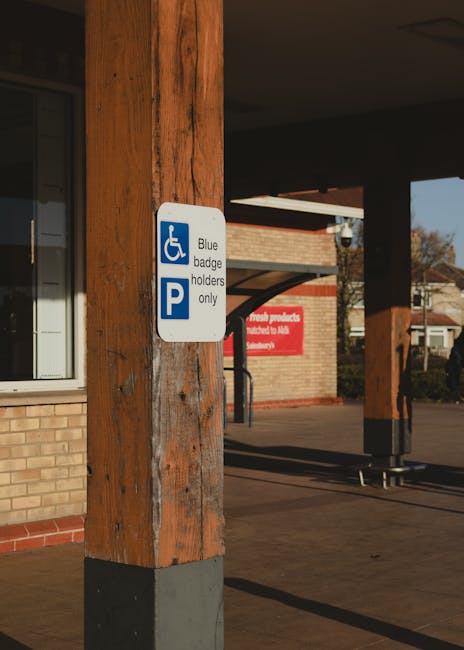
- Ignoring double yellow lines or loading restrictions. Temporary convenience can create real problems. Be cautious and check local rules.
- Forgetting about height and width. Vans, low branches, and tight turning spaces do not always mix well.
- Not measuring bulky items. A wardrobe that seems manageable in the lounge can become impossible on the landing.
- Leaving everything until the last minute. Packing on the morning of the move is a stress multiplier. Honestly, it rarely ends beautifully.
- Blocking access with loose boxes and furniture. The route should stay as open as possible right up to loading time.
One real-world example: if the van has to park a block away because another vehicle is in the loading space, the team may lose twenty minutes before the first item is even in motion. That is not just inconvenient. It changes the rhythm of the whole move.
For residents who want to avoid unnecessary strain, a bit of preparation around the heavier items can help. The advice in DIY piano moving risks is a useful reminder that some jobs are better handled with proper planning and specialist support.
Tools, Resources and Recommendations
You do not need a huge toolkit, but the right basics make access and parking work much more smoothly.
- Measuring tape: Essential for checking furniture dimensions, hallway widths, and doorway clearances.
- Phone camera: Quick photos of the street and entrance can be genuinely useful for planning.
- Furniture blankets and covers: Helpful where the carry route is narrow or the weather is poor.
- Strong tape and labels: Keep boxes organised so the load can be stacked efficiently.
- Trolleys or sack trucks: Useful for longer carries, but only when the route is suitable.
- Bin bags and cleaning supplies: Clearing clutter before the van arrives can save time. A good companion read is cleaning your house before moving out.
There is also value in using practical support pages when you need clarity on the moving process, costs, or reassurance about safeguards. The following can be helpful next steps:
- pricing and quotes for planning the budget side of the move
- insurance and safety if you want to understand risk handling
- packing and boxes for better load organisation
- storage options if access timing means you need a short-term buffer
Sometimes the best tool is just a calm plan and a realistic timetable. Not glamorous, but very effective.
Law, Compliance, Standards, or Best Practice
Parking and access advice should always sit within local rules and common-sense safety standards. That means checking whether a loading area is actually permitted, whether a vehicle might obstruct traffic, and whether the move could affect pedestrians, neighbours, or emergency access. Local parking conditions can vary, so it is wise to verify the specifics rather than assume what worked on another street will work here too.
For a professional move, best practice usually includes:
- respecting local parking restrictions and signage
- keeping walkways as clear as possible
- using safe lifting and carrying methods
- protecting floors, walls, and communal areas
- communicating clearly with the customer about access limitations
If you are moving from a block of flats, there may also be building-specific rules around lift use, loading bays, or booking time slots. It is better to ask early than to discover the rule while standing in the lobby with a mattress. That is not a fun moment.
For broader operational confidence, you may also want to review the company's health and safety policy, accessibility statement, and terms and conditions. Those pages help set expectations and show how a move is handled responsibly.
Options, Methods, or Comparison Table
Different access setups call for different approaches. Here is a simple comparison to help you judge what may fit your move best.
| Access situation | Typical challenge | Best approach | Good fit for |
|---|---|---|---|
| Ground-floor home with driveway | Short carry, but space can still be tight | Park close, load efficiently, protect surfaces | Family homes, furniture-heavy moves |
| Flat with shared entrance | Communal areas and limited stopping space | Coordinate timings and keep routes clear | Flat moves, student moves, smaller deliveries |
| Narrow residential street | Parking scarcity and passing traffic | Plan the stopping point in advance and avoid peak times | Street-side loading, short notice moves |
| Move with bulky items | Doors, turns, stairs, and weight | Measure first, dismantle where sensible, use specialist help | Sofas, beds, wardrobes, pianos |
To be fair, most people need a blend of these methods rather than one perfect solution. A move is usually a mix of parking choice, item prep, and timing, all working together.
Case Study or Real-World Example
Imagine a second-floor flat near Valentines Park with a shared entrance and on-street parking. The move includes a sofa, a double bed, several boxes, and a washing machine. On paper, it sounds manageable. In reality, the access plan matters more than the item count.
Here is how that move might be handled well:
- The resident checks whether loading is easiest outside the property or around the corner on a wider section of road.
- The sofa is measured and its feet are removed to reduce awkwardness.
- The bed frame is partially dismantled before moving day.
- Boxes are grouped by room so they can be loaded in a sensible order.
- The mover arrives knowing which entrance to use and which items need extra care.
What changes? Not the physical work, really. The effort is still there. But the move becomes organised instead of reactive, which reduces stress almost immediately. You can hear the difference in the tone of the day. Less rushing, fewer half-finished sentences, more steady progress.
If you are moving a full household, a helpful companion read is how to make a house move feel calmer, especially if you want a more rounded planning approach.
For larger or more complex moves, it may also make sense to explore house removals or flat removals depending on the property type and access profile.
Practical Checklist
Use this checklist a day or two before the move. It keeps the small details from slipping through the cracks.
- Confirm where the van can legally park or load
- Check street width, turning space, and any low obstacles
- Measure large furniture and doorways
- Identify stairs, lifts, gates, or narrow halls
- Tell neighbours or building management if access could be tight
- Clear the entrance and hallway of clutter
- Prepare packing tape, labels, blankets, and a basic toolkit
- Decide which items need dismantling in advance
- Set aside essentials you will need immediately after arrival
- Review the timing so you are not arriving at the worst traffic window
Key takeaway: good parking and access planning is not a nice extra. It is one of the most effective ways to save time, reduce strain, and prevent avoidable damage during a move near Valentines Park.
Conclusion
Valentines Park moves tend to go best when parking and access are handled early, clearly, and with a bit of local realism. It is rarely about perfection. It is about removing the obvious obstacles before they become expensive, tiring, or awkward. Once you know where the van can stop, how the route works, and which items need extra care, the rest of the day becomes much easier to manage.
Whether you are moving a flat, a family home, or just a few heavy pieces, a calm access plan gives the whole move better shape. That, more than anything, is what keeps moving day from feeling like one long scramble. And if you can avoid that scramble, honestly, you are already ahead.
If you are planning a move and want help working out the smartest approach, take a look at the relevant service pages and support guides linked above, then line up your parking and access plan before the boxes start stacking up.
Get a free quote today and see how much you can save.